
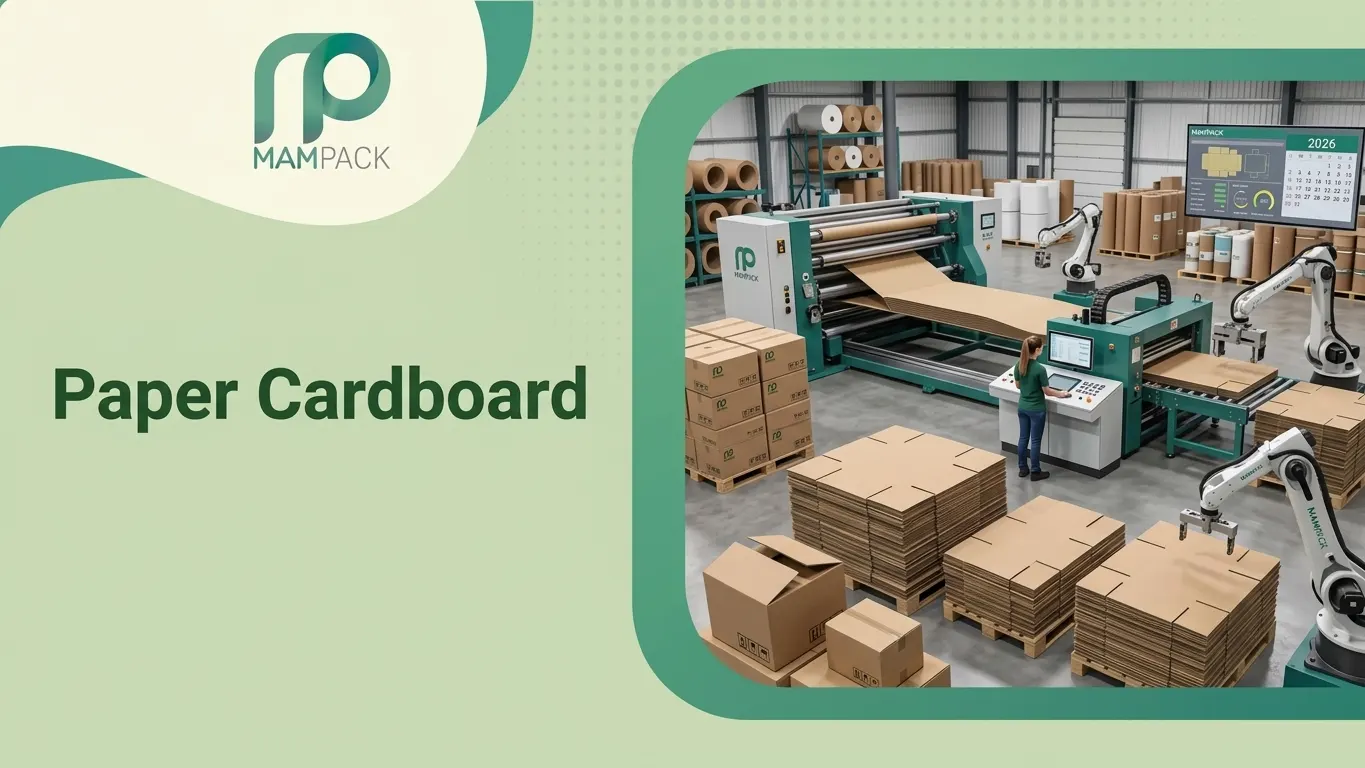
Paper cardboard is used across packaging and industrial production because its structure can be adapted to different requirements for thickness, rigidity, protection, and processing. Its final performance depends on the fibers, layers, manufacturing method, and specifications selected for the application.
Beyond boxes and conventional packaging, engineered paper-based materials can serve demanding roles in cores, tubes, winding, converting, and production processes. Understanding how these materials differ makes it easier to specify the right solution for an industrial operation.
What Is Paper Cardboard?
Paper cardboard is a broad term for thick, fiber-based material produced from layers or plies of paper fibers, which may come from virgin pulp, recovered paper, or a combination of both. The exact construction varies according to the strength, surface, thickness, and converting requirements of the finished product.
How Paper Cardboard Is Made
- Wood pulp or recovered fibers are prepared and cleaned.
- Fibers are mixed with water to create a pulp suspension.
- The pulp is formed into sheets or individual plies.
- Water is removed through pressing and drying.
- Multiple plies may be combined for greater thickness.
- Surface treatments or coatings can be applied when required.
- Finished material is cut or converted to the specified dimensions.
- Industrial tubes and cores can be produced by winding paperboard plies with adhesive around a mandrel.
Paper Cardboard vs Regular Cardboard: Key Differences
- “Cardboard” is an informal umbrella term rather than one precise technical grade.
- Paperboard generally refers to dense paper-based sheet material.
- The corrugated board contains fluted material between the liner layers.
- Solid paperboard does not require the fluted structure used in corrugated boards.
- Industrial grades can be engineered for compression, winding, and dimensional requirements.
- The correct choice depends on application rather than the everyday name of the material.
Need paper-based material built around specific industrial requirements? Share your dimensions, strength needs, and application with Mampack to discuss a tailored solution and request a custom quote today, contact us now via Facebook or WhatsApp.
Types of Paper Cardboard
Different paperboard types are produced by changing fiber composition, number of layers, surface treatment, and structural design. Selecting the right paper cardboard material therefore starts with the required load, converting process, printing needs, exposure conditions, and final industrial application.
Single-Wall vs Multi-Wall Paperboard
- Single-layer or lighter constructions suit applications with moderate structural requirements.
- Multi-ply structures combine several fiber layers into one board.
- Additional plies can increase thickness and rigidity.
- Industrial cores may use multiple wound plies to achieve the required wall thickness.
- More material does not automatically mean better performance for every application.
- Wall construction should match the expected load and operating conditions.
Kraft Paperboard vs Recycled Paperboard
- Kraft-based material is commonly associated with strong virgin fibers.
- The recycled board uses recovered paper fibers as a major raw-material source.
- Recycled fiber properties can vary according to furnish and processing.
- Both can be engineered for industrial applications.
- Material selection should be based on measurable performance requirements.
- Recycled content can support circular material strategies when technically suitable.
Coated vs Uncoated Cardboard
- The coated board has an additional surface layer or treatment.
- Coatings can improve smoothness and printability.
- Specific coatings can provide additional barrier characteristics.
- Uncoated board retains a more natural fiber surface.
- Uncoated grades can suit applications where premium printing is unnecessary.
- Surface selection depends on printing, handling, converting, and exposure requirements.
Key Properties That Determine Paper Cardboard Quality
Quality cannot be judged by appearance or thickness alone. For industrial paper cardboard, relevant specifications can include grammage, caliper, compression behavior, moisture response, dimensional consistency, and the mechanical properties needed by the final process.
Thickness and Weight (GSM)
- GSM measures mass in grams per square meter.
- Caliper describes material thickness.
- GSM and thickness are related but are not interchangeable measurements.
- Two boards with similar GSM can have different thickness and density.
- Higher GSM alone does not guarantee superior performance.
- Specifications should reflect the finished application’s actual requirements.
Flat Crush Strength and Load Resistance
- Compression performance matters when material will experience mechanical loads.
- Flat crush testing is particularly associated with corrugated structures and evaluates resistance to crushing of the flutes.
- Paperboard and industrial cores may require other compression or strength tests depending on construction.
- Core performance can depend on wall thickness, diameter, adhesive, and paper grade.
- Load requirements should be defined before production.
- Testing methods should match the product rather than applying one metric to every board type.
Moisture Resistance
- Paper fibers naturally respond to environmental moisture.
- High humidity can affect dimensional and mechanical properties.
- Coatings or treatments may improve resistance for specific applications.
- Storage conditions influence material performance.
- Moisture requirements should be identified before choosing a grade.
- Water resistance should not be assumed unless specified for the material.\
For reliable packaging and industrial applications, explore our Cardboard Cores for Tape price and find high-quality core solutions designed for different tape manufacturing requirements.
Industrial Applications of Paper Cardboard
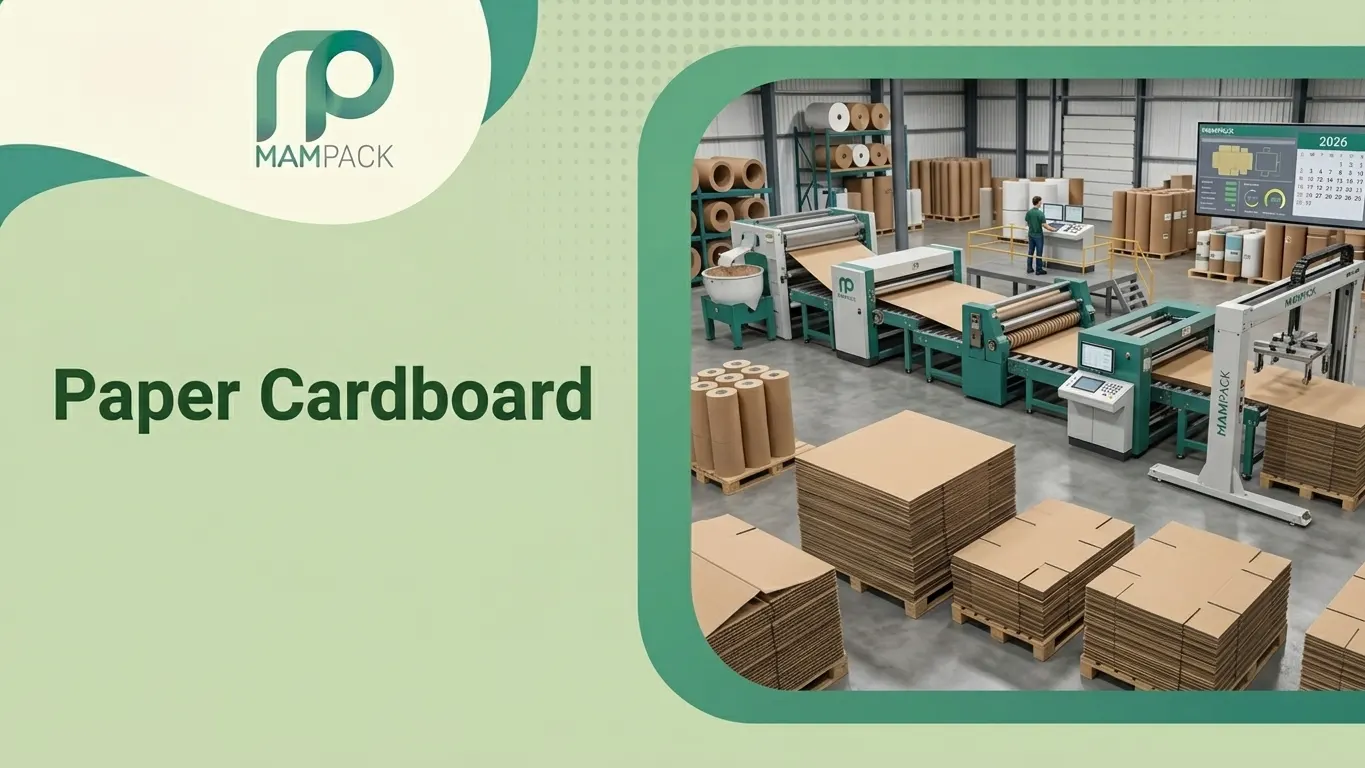
The versatility of paper cardboard extends well beyond retail boxes. Industrial grades can be converted into protective components, sheets, separators, tubes, and cores, while cardboard core material is especially important in operations where flexible products need a stable cylindrical support during winding, storage, handling, or processing.
Paper Cardboard in Packaging and Winding Cores
- Protective packaging components.
- Paper tubes and industrial cores.
- Cores for films and flexible materials.
- Textile and paper winding applications.
- Labels and tape winding.
- Protective cylindrical packaging.
- Spacers and separators.
- Custom converted paperboard components.
Paper Cardboard in Sorting and Production Lines
- Separators between products or layers.
- Protective sheets during handling.
- Dividers for organized movement of components.
- Cores supporting roll-fed materials.
- Temporary protective components.
- Custom-cut pieces for production requirements.
- Material-handling applications where suitable paper grades meet the required load.
Paper Cardboard in Printing and Insulation Industries
- Printing substrates where compatible grades are specified.
- Graphic and display applications.
- Cores for printed media and labels.
- Protective paperboard components.
- Layering and separation applications.
- Electrical insulation applications using specially engineered cellulose-based grades.
- Industrial uses require purpose-specific paper properties.
Paper Cardboard vs Alternative Materials (Plastic, Metal)
Choosing between paper-based, plastic, and metal solutions requires evaluating the complete application rather than one material characteristic. The right cardboard tube material, for example, depends on load, moisture exposure, dimensions, reuse requirements, manufacturing process, cost, and end-of-life priorities.
Cost and Sustainability Comparison
- Paper-based products can incorporate renewable and recovered fiber.
- Many clean paperboard products can enter established recycling streams.
- Plastic can provide stronger resistance to water and certain chemicals.
- Metal offers high strength for demanding loads and repeated use.
- Material weight can affect transport and handling costs.
- Coatings and mixed-material constructions can influence recyclability.
- Total cost should include production, transportation, reuse, and disposal requirements.
- Sustainability should be assessed across the intended lifecycle rather than by material name alone.
When to Choose Paper Cardboard for Industrial Use
- When the required strength can be achieved with an engineered paper grade.
- When low component weight is beneficial.
- When custom dimensions are required.
- When the product needs a winding core.
- When printability is valuable.
- When recovered or renewable fiber content is a priority.
- When the operating environment is compatible with paper-based material.
- When recycling at the end of use is practical within the local waste stream.
Discover high-quality Cardboard Tubes designed for reliable industrial applications, offering strong performance, durability, and customized solutions for different packaging needs.
How to Choose a Paper Cardboard Manufacturer
A reliable paper cardboard manufacturer should be able to translate the end use into measurable production requirements rather than supplying material by description alone. Buyers should define dimensions, tolerances, strength, surface, fiber composition, quantity, and operating conditions before approving a specification.
Key Specifications to Request
- Material grade and fiber composition.
- GSM where relevant.
- Caliper or finished thickness.
- Required width and length.
- Internal and external diameters for tubes or cores.
- Core wall thickness.
- Dimensional tolerances.
- Compression or strength requirements.
- Surface finish or coating.
- Moisture-related requirements.
- Required testing or quality documentation.
Custom Sizing and Production Capacity
- Confirm the available dimensional range.
- Specify tolerances for the finished application.
- Match core dimensions to winding equipment.
- Define required wall thickness and length.
- Discuss recurring order quantities.
- Confirm manufacturing capacity for expected volumes.
- Request samples or technical approval when necessary.
- Verify consistency between production batches.
Choose a reliable Cardboard Cores Supplier for high-quality cardboard cores designed to meet diverse industrial packaging and manufacturing requirements.
Get a Custom Paper Cardboard Quote
For industrial buyers, the most useful quotation starts with the application rather than a generic price per piece. Mampack can assess requirements for paper cardboard material, industrial paper cardboard, cardboard core material, paperboard types, cardboard tube material, and custom dimensions before preparing a solution around the required production specifications.
Information to Include in Your Request
- Intended industrial application.
- Required dimensions.
- Quantity.
- Material or fiber preference.
- Thickness or wall specification.
- Core diameter where applicable.
- Strength requirements.
- Surface or coating requirements.
- Operating and storage conditions.
- Any required tolerances.
Why Work With Mampack?
- Specifications can be matched to the intended application.
- Custom dimensions can be discussed before production.
- Industrial requirements can be evaluated rather than relying on generic grades.
- Core and tube requirements can be defined around the material being wound.
- Production quantities can be planned according to project requirements.
- Technical details can be clarified before quotation and manufacturing.
Turn your production requirements into the right paperboard specification with Mampack. Contact the team to review material options, custom sizing, quantities, and manufacturing requirements for your next order, contact us now via Facebook or WhatsApp.
FAQ
What is paper cardboard made of?
It is primarily made from cellulose fibers derived from virgin pulp, recovered paper, or a blend of both. The exact fiber composition, number of plies, adhesives, and surface treatments depend on the product and its intended performance.
What's the difference between paper cardboard and regular cardboard?
“Cardboard” is a broad everyday term covering several thick paper-based products. Paperboard, corrugated board, and industrial wound board have different structures, so the important distinction is the specific material grade and construction required for the application.
Is paper cardboard strong enough for industrial use?
Yes, when the material is engineered for the required load. Industrial performance depends on factors such as grade, density, thickness, construction, moisture conditions, and dimensions. Mampack can match these specifications to the intended application rather than relying on thickness alone.
Can paper cardboard be customized for specific industries?
Yes. Industrial paperboard products can be specified by dimensions, thickness, diameter, surface, strength, and other requirements. Mampack can evaluate custom requirements for cores, tubes, and related industrial applications according to the project.
Is paper cardboard environmentally friendly?
Paper-based materials can offer environmental advantages because they can use renewable or recovered fibers and may be recyclable. The actual environmental profile depends on fiber source, coatings, adhesives, manufacturing, transport, and the available recycling system.