
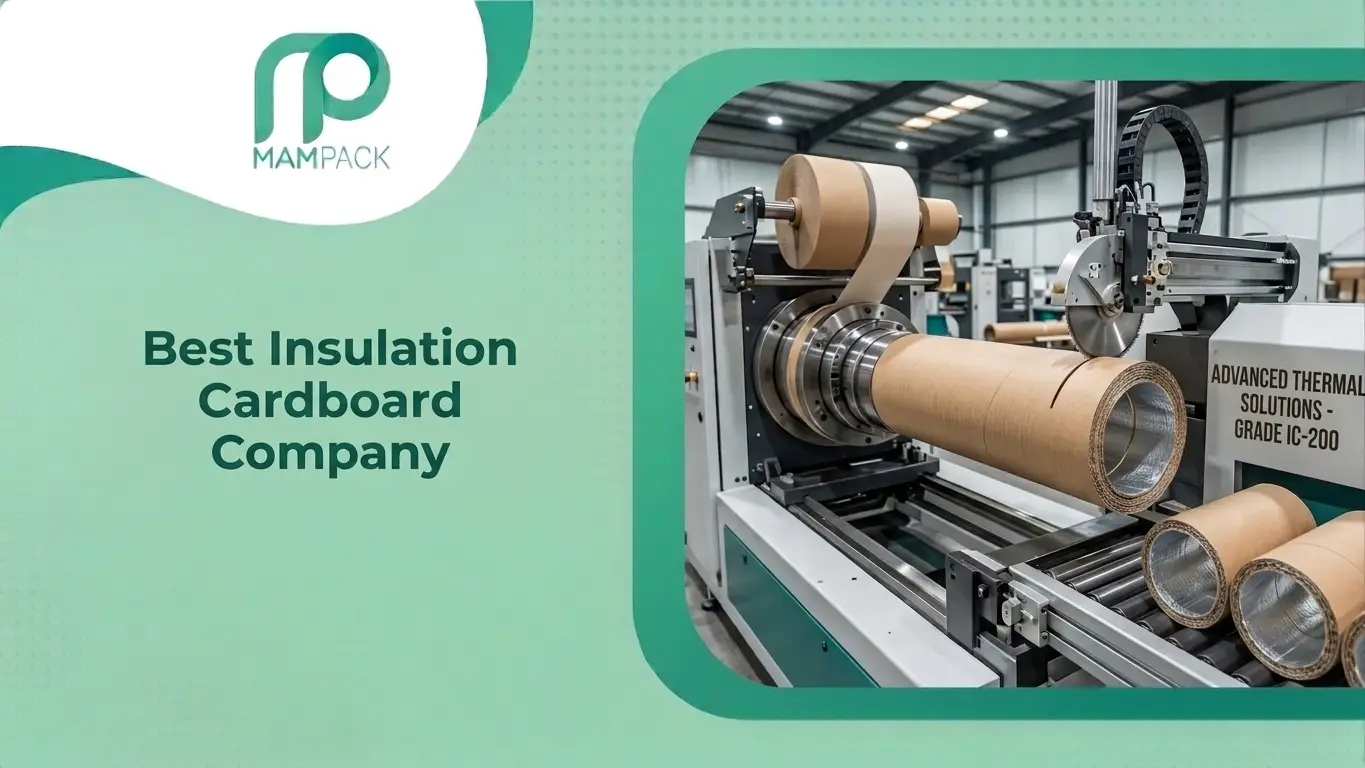
Best Insulation Cardboard Company mampack for insulation materials, offers solutions tailored to winding, storage, and industrial needs, accommodating the specific requirements of various production lines.
Selecting the right cardboard tube for insulation materials requires considering factors such as diameter, wall thickness, load-bearing strength, and manufacturing quality; here, we outline the key criteria to help you make the best choice.
Why Core Quality Matters in Insulation Material Winding
The quality of insulation material winding depends on the strength and stability of the inner tube during operation; insulation winding cores directly influence the uniformity and structural integrity of the coil. The following points highlight their importance:
- The tube ensures winding quality and maintains material straightness.
- It withstands the weight of the roll without undergoing deformations that would affect operations.
- It maintains the roll’s balance during storage and transport.
- It reduces the likelihood of material buckling during winding processes.
- It supports dimensional stability and improves the precision of the final winding.
Dimensional Stability Under Roll Weight
- The tube maintains its dimensions despite the heavy weight of the coil.
- It prevents deformations that affect coil stability during operation.
- It supports balanced weight distribution on the winding axis.
- It minimizes tube deflection when storing heavy coils.
- It maintains coil straightness during transport and operation.
Best Insulation Cardboard Company mampack provides custom cardboard tubes, allowing for precise specification of dimensions and requirements, contact us today via Facebook or WhatsApp.
Key Specifications to Look For in Insulation Cores
Tube quality varies based on diameter, thickness, load-bearing capacity, and material type; selecting the right cardboard cores for insulation ensures an optimal solution. The following points outline the key required specifications.
Resistance to Winding Pressure
- The tubes withstand winding pressure without buckling or deformation.
- Adequate tube strength prevents collapse under heavy loads.
- Tube thickness directly affects load-bearing capacity.
- Selecting high-quality material reduces tube damage during operation.
- Pressure resistance maintains the stability of the coil during storage.
Moisture and Temperature Tolerance
- The insulation pipes withstand moisture without rapidly losing their durability.
- Heat resistance prevents the pipes from deforming during continuous use.
- The suitable material minimizes the impact of temperature fluctuations.
- Moisture protection prevents the pipe from weakening over time.
- The pipes withstand various storage conditions without rapid deterioration.
Diameter and Wall Thickness Accuracy
- Diameter precision ensures the tube remains stable within the winding machine.
- Appropriate wall thickness provides the tube with greater strength and durability.
- Diameter variations can cause problems during coil installation.
- Uniform thickness helps distribute pressure evenly.
- Precise dimensions reduce coil vibration during operation.
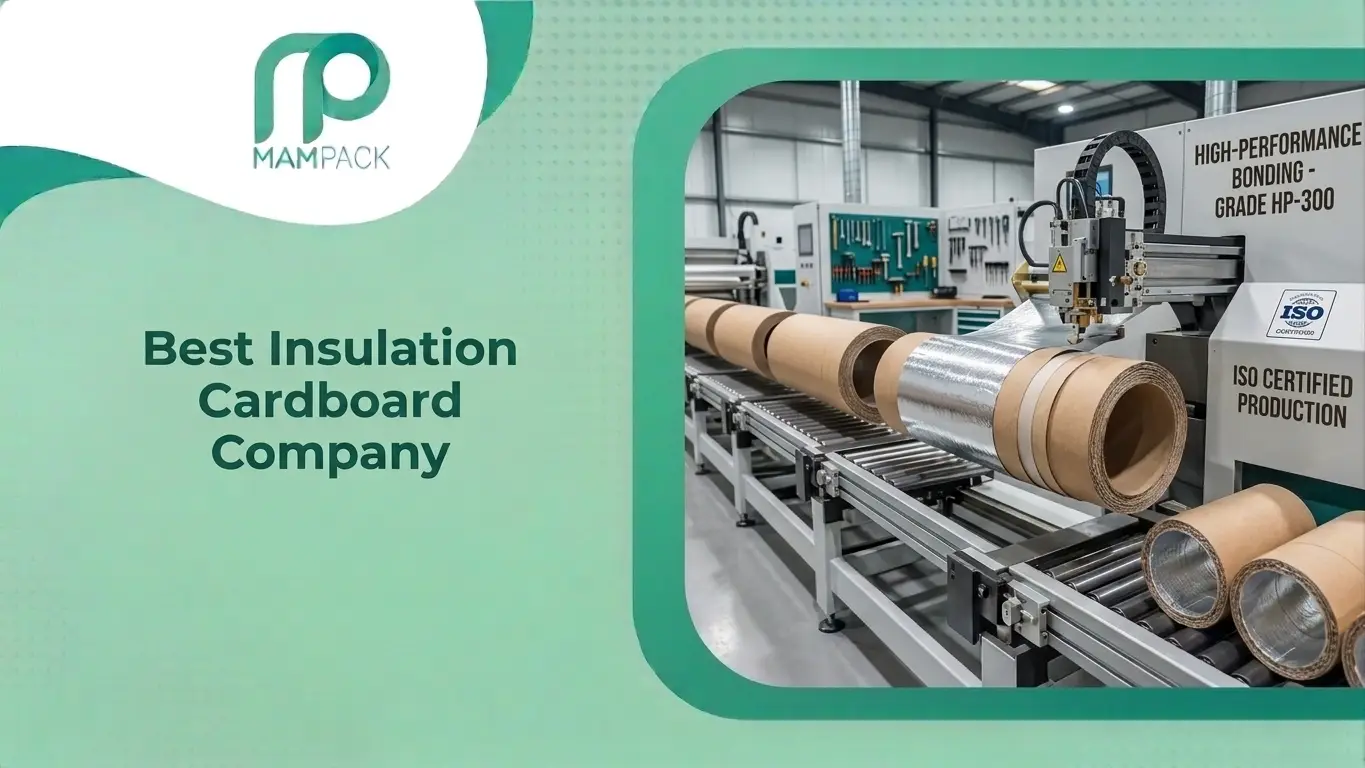
How to Choose the Right Core for Your Insulation Type
The choice of tube depends on the insulation material, winding method, and operating conditions; certain applications require electrical insulation core with specific specifications. The following points explain the selection process.
Cores for Thermal Insulation Materials
- The tubes withstand high temperatures during the processing of insulation materials.
- They maintain their shape without heat-induced deformation.
- They are suitable for thermal materials requiring a stable core during winding.
- They support various coil weights without collapsing or buckling.
- They are available in diameters suited to the specific type of insulation material used.
Cores for Electrical Insulation Materials
- The tubes withstand the weight of various electrical insulation material coils.
- They maintain coil stability during storage and transport.
- Tube diameters are matched to the thickness of the insulation materials.
- They withstand winding pressure without deformation or premature collapse.
- Precision manufacturing ensures coil uniformity during processing.
If you’re looking for reliable Best Rotogravure Printing Company mampack provides specialized solutions designed to support roll stability, printing precision, and consistent performance across different packaging materials.
Common Problems Caused by Low-Quality Cores
Weak tubes can cause coil deformation or unevenness during operation and compromise the quality of the final product. The following points detail the primary issues associated with using low-quality winding cores.
Roll Deformation and Imbalance
- Tube weakness may cause coil deformation during storage.
- Uneven winding leads to significant imbalance.
- Excessive material weight compresses the tube and alters the coil’s shape.
- Variations in diameter affect the coil’s stability during operation.
- Precise tube installation ensures the coil remains stable.
Core Collapse During Storage or Transport
- Weakness in the pipe may cause it to collapse under the weight of the coil.
- Improper stacking of coils increases pressure on the pipes during transport.
- High humidity can weaken the pipe during prolonged storage.
- Overloading causes pipe buckling and internal coil deformation.
- Proper packaging protects the pipes from impacts during transport.
Mampack delivers high-quality cardboard cores designed for reliable performance across packaging, printing, and industrial applications, making it a trusted choice among Best Cardboard Core Manufacturers mampack.
How to Request a Custom Insulation Core
Pipes can be ordered according to production line dimensions and requirements—specifying the desired diameter, thickness, and material. thermal insulation core manufacturer offer solutions tailored to custom insulation core sizes; the following points outline the ordering process and specifications:
- Specify the required pipe diameter and length before ordering.
- Indicate the appropriate wall thickness for the intended application.
- Specify the expected coil weight to ensure the right specifications are selected.
- Identify the type of insulation material to be used with the pipe.
- Submit your technical requirements to the Mampack team for review.
- Review the sample and dimensions before final production approval.
- Confirm the required quantity and delivery date prior to production.
Best Insulation Cardboard Company mampack offers practical cardboard tube solutions for winding insulation materials and assists you in selecting the specifications best suited to your production line; contact us today via Facebook or WhatsApp.
FAQs
What type of core is used for winding insulation materials?
Best Insulation Cardboard Company mampack is a suitable choice for specialized industrial applications requiring insulation cardboard.
Why is dimensional stability important in insulation cores?
Dimensional stability is crucial, as it maintains tube straightness, prevents deformation during winding, and ensures consistent uniformity in the final product.
Can insulation cores be custom manufactured?
Yes, Mampack can manufacture insulation tubes with diameters, thicknesses, and specifications tailored to the specific needs of various production lines.
What is the difference between thermal and electrical insulation cores?
Thermal insulation tubes differ from electrical insulation tubes based on the material, usage requirements, load-bearing capacity, and insulation performance needed for each specific industrial application.
How much winding pressure can an insulation core withstand?
Winding pressure depends on diameter, thickness, material, and the manufacturing process; Mampack determines the appropriate specifications based on usage requirements.