
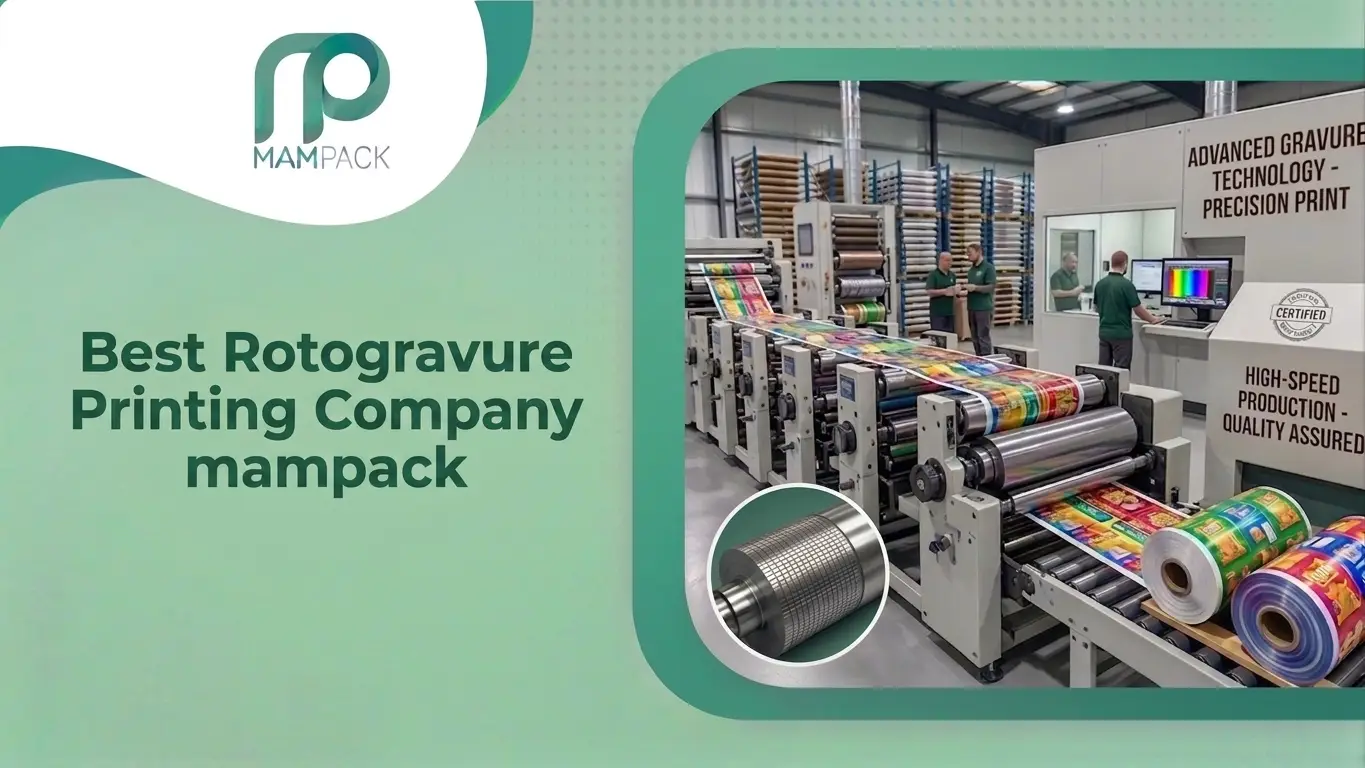
Best Rotogravure Printing Company mampack offers specialized solutions tailored to diverse business needs, emphasizing print quality, precision, and consistent results on packaging materials.
Selecting a specialized rotogravure printing provider requires technical expertise, appropriate equipment, and consistent quality; here, we highlight what sets Mampack and its services apart in this field.
What Is Rotogravure Printing and Why Core Quality Matters
Rotogravure printing is used to produce high-precision prints on various materials, and the quality of the output depends on the efficiency of the rotogravure printing cores; additionally, cardboard cores for printing rolls influence winding stability during operation. The following points outline the key details:
- Rotogravure printing relies on engraved cylinders to transfer ink.
- The engraved cylinder rotates at high speeds during the printing process.
- Ink is transferred directly from the engraved cells to the substrate.
- A high-quality core ensures cylinder stability during continuous operation.
- Core quality affects printing precision and roll balance.
How Cores Affect Roll Balance and Print Precision
- A balanced core ensures stable rotation during printing.
- A high-quality core minimizes vibrations that affect printing accuracy.
- A uniform diameter maintains consistent printing pressure.
- A robust core prevents cylinder deflection during continuous operation.
- Core quality improves color registration and the precision of printed details.
Rely on Best Rotogravure Printing Company mampack solutions that meet your packaging requirements, with a focus on high-quality execution and attention to detail. Contact us today via Facebook or WhatsApp.
Key Specifications to Look For in Rotogravure Printing Cores
Printing core specifications vary depending on roll size, machine speed, and material characteristics; therefore, flexible packaging cores must be selected to suit production line requirements. The following points outline the key specifications.
Internal Diameter Accuracy
- The precise inner diameter ensures the core remains stable on the axis.
- Diameter consistency minimizes the likelihood of vibration during roll rotation.
- A uniform diameter maintains the straightness of the printing cylinder.
- Diameter variations affect the roll’s balance and rotation.
- Diameter precision contributes to consistent print quality.
Winding Pressure Resistance
- The core withstands winding pressure and maintains its shape during operation.
- Compressive strength reduces the likelihood of the core buckling under load.
- A robust core maintains the stability of the roll during storage.
- Core strength is influenced by the material type and wall thickness.
- Adequate strength ensures roll stability during continuous printing.
Roundness and Roll Balance
- A balanced roll maintains the product’s shape during printing.
- Proper roundness prevents noticeable unevenness between the two sides.
- Printing precision ensures the roll unwinds uniformly.
- Roll balance minimizes alignment issues during operation.
- Good roundness maintains material consistency after printing.
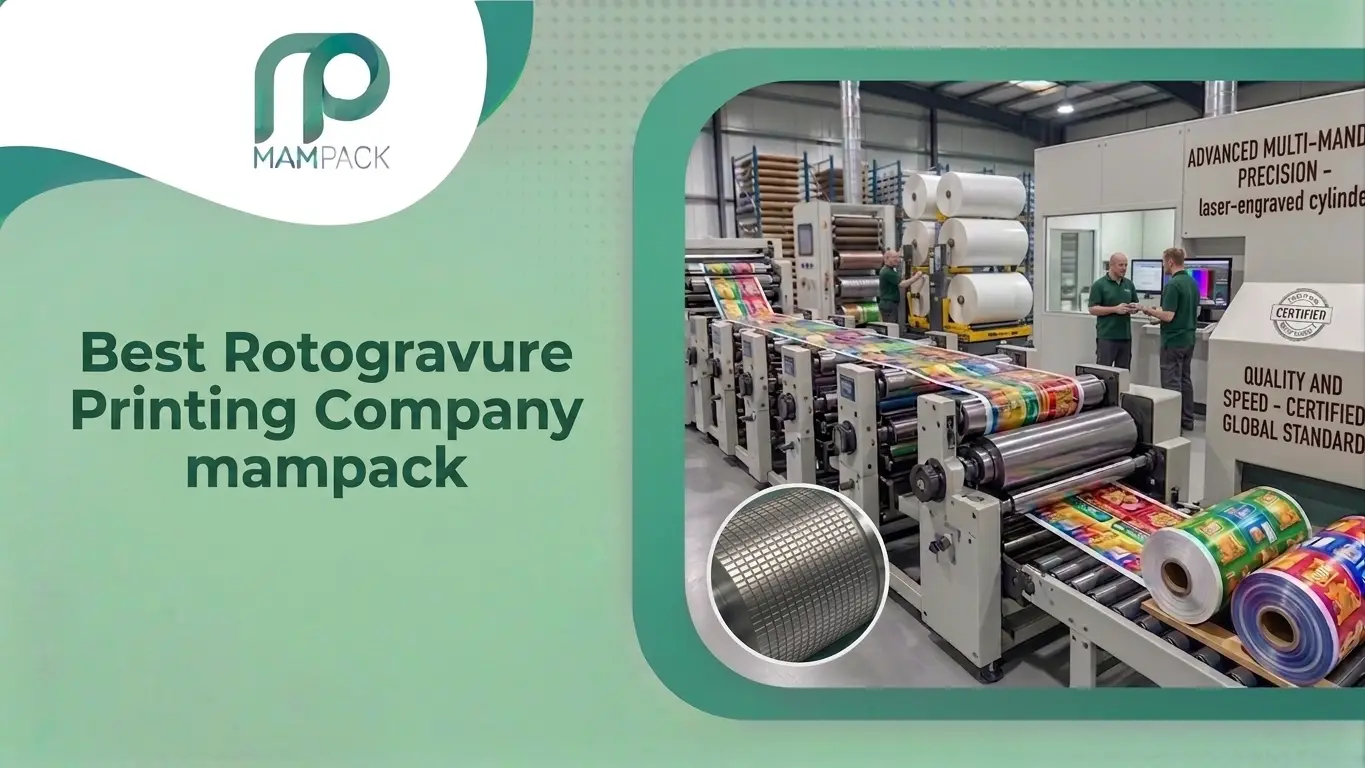
How to Choose the Right Core for Your Printing Line
Selecting the right core requires knowledge of the roll dimensions, operating method, and load size. Roll core manufacturers can assist in determining the appropriate option, and the following points outline how to make the selection.
Matching Core Strength to Roll Weight
- Matching the core strength to the coil weight prevents sagging during operation.
- A strong core supports the coil’s weight and maintains its stability.
- Heavier coils require a core capable of withstanding greater pressure.
- Selecting the right core minimizes coil deformation during storage.
- Balancing strength and weight ensures consistent coil performance during printing.
Custom Sizes for Different Printing Materials
- Required dimensions vary depending on the type of printing material used.
- Heavy materials require dimensions capable of supporting their weight during operation.
- Appropriate dimensions change based on the thickness of the material used for printing.
- Customized dimensions suit the nature of each material and its usage requirements.
- Precise dimensions help reduce printing material waste.
Common Problems Caused by Low-Quality Cores
Weak cores can cause the sleeve to deform or become unstable during printing, and the quality of rotogravure printing cores affects operational precision; the following points outline the key issues.
Roll Imbalance and Print Misalignment
- Roll imbalance causes the print to drift off track.
- Roll misalignment leads to inconsistent print positioning.
- An off-center core affects print uniformity.
- Adjusting alignment before operation reduces recurring print deviation.
- Uniform material tension helps stabilize print positioning.
Core Collapse Under Winding Pressure
- Core collapse alters the shape of the coil under operating pressure.
- A weak core causes the coil to sag as weight increases.
- Excessive pressure can deform the core and affect the coil’s uniformity.
- Selecting a weak core leads to problems during material winding.
- Choosing a core with adequate load-bearing capacity prevents collapse with heavy coils.
How to Request a Custom Rotogravure Core
Custom cores can be ordered based on printing machine dimensions and material type, with roll core manufacturers assisting in determining the appropriate printing core specifications; the following points detail the order preparation process:
- Contact Best Rotogravure Printing Company mampack.
- Specify the required core size before submitting order details.
- Indicate the type of material to be used in the printing process.
- State the expected roll weight to determine the required core strength.
- Provide machine dimensions to ensure core compatibility.
- Send the required technical specifications directly to the Mampack team.
- Review the proposed design and dimensions before approving final production.
- Confirm the required quantity and delivery date before production begins.
Best Rotogravure Printing Company mampack offers specialized services and solutions tailored to various packaging needs, prioritizing print quality and meticulous finishing. Contact us today via Facebook or WhatsApp.
FAQs
What type of core is used in rotogravure printing?
Cylindrical cores made of steel or aluminum are typically used, depending on the cylinder design and the requirements of the factory's printing line.
Why does core quality affect print roll balance?
Core quality affects balance, as any deviation can cause vibrations and operational issues while the printing cylinder rotates.
Can rotogravure cores be custom manufactured?
Yes, cores can be custom-manufactured; Mampack determines the required dimensions and materials based on the printing machine's specifications.
What diameter is standard for rotogravure printing cores?
There is no single standard diameter for cores; dimensions vary according to the machine, cylinder design, and operational requirements.
How much pressure can a rotogravure core withstand?
A core withstands a specific amount of pressure based on its material, thickness, and design, with the manufacturer specifying the safe operating limits.